

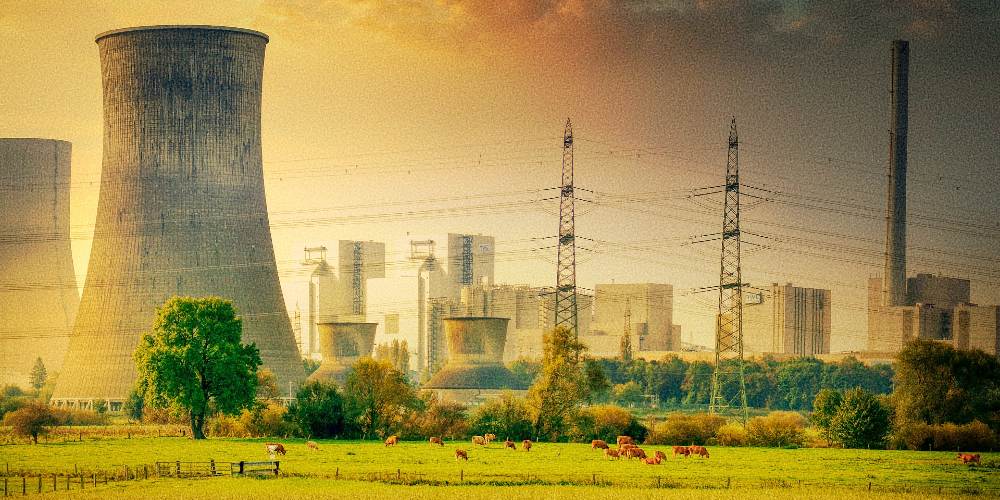
Did you know governments worldwide have spent over $5 trillion in the past two decades to subsidize wind, solar, and other so-called renewables?
To put that in perspective, if you earned $1 a second 24/7/365—about $31 million per year—it would take you 158,550 YEARS to make $5 trillion. $5 trillion is an almost unfathomable amount of money.
However, even with that astronomical financial support, the world still depends on hydrocarbons for 84% of its energy needs—down only 2% since governments started binge spending on renewables 20 years ago.
That’s all according to Mark Mills in a report from the Manhattan Institute, who concludes that:
“The lessons of the recent decade make it clear that solar, wind, and battery technologies cannot be surged in times of need, are neither inherently ‘clean’ nor even independent of hydrocarbons, and are not cheap.”
With all that in mind, it should be clear that so-called renewables—more accurately, unreliables—have been a giant flop. They are not viable for baseload power—even with $5 trillion in subsidies and two decades of trying. Today, using wind and solar for mass power generation is an artificial political solution that would not have been chosen on a genuinely free market for energy.
Wind and solar power might be useful in specific situations. Still, it’s ridiculous to think they can provide reliable baseload power for an advanced industrial economy. It’s like trying to force a square peg into a round hole.
Nonetheless, governments, the media, academia, and celebrities flippantly push for an imminent energy “transition” as if it’s preordained.
It’s shocking and depressing so many adults think they can magically change the underlying economics, chemistry, engineering constraints, and physics of energy production to suit their childish fantasies and political agendas.
Unreliables—i.e., renewables—will not replace hydrocarbons anytime soon and will certainly not bring about energy security… despite what many “serious” people believe. When it comes to reliable baseload power, most of humanity has only three choices:
- hydrocarbons—coal, oil, and gas
- nuclear power
- abandon modern civilization for a pre-industrial standard of living.
Aside from friendly aliens delivering a magical new energy technology, most places have no other alternatives.
So, with Western governments intent on going green, sanctioning large energy exporters (Russia, Iran, Venezuela), and shunning hydrocarbons in general (ESG, windfall profits taxes, limiting exploration, burdensome regulations), it boils down to a simple choice.
They can either embrace nuclear energy—which has zero carbon emissions—or give up reliable electricity. I suspect it won’t be long before Western governments turn to nuclear energy in a big way for two reasons.
- Rising hydrocarbon prices.
- Concerns about energy security.
Rising Hydrocarbon Prices
First, a necessary clarification. Sloppy, vague words lead to sloppy, vague thinking. The term “fossil fuels” is an excellent example of this.
When the average person hears “fossil fuels,” they think of a dirty technology that belongs in the 1800s. Many believe they are burning dead dinosaurs to power their cars. They also think fossil fuels will run out soon and destroy the planet within a decade.
None of these absurd things are true, but many people believe them. Using misleading and vague language plays a large role.
I suggest expunging “fossil fuels” from your vocabulary in favor of hydrocarbons—a much better and more precise word.
A hydrocarbon is a molecule made up of carbon and hydrogen atoms. These molecules are the building blocks of many different substances, including energy sources like coal, oil, and gas. These energy sources have been the backbone of the global economy for decades, providing power for industries, transportation, and homes.
Modern civilization has only two choices for baseload power—hydrocarbons or nuclear. I believe hydrocarbon prices will rise substantially in the months ahead, making nuclear—the only practical alternative—even more attractive than it already is.
There are four powerful trends that I think will push hydrocarbon prices higher.
- Trend—The End of the Petrodollar System: The US government will soon lose its ability to print money to buy energy—an incredible privilege no other country has. That will have significant consequences for oil prices.
- Trend—Rampant Currency Debasement: Governments worldwide have no choice but to engage in ever-increasing currency debasement. 2023 could be the year it reaches a crescendo.
- Trend—Carbon Hysteria and Under-Investment: Governments have redirected trillions in capital away from nuclear and hydrocarbons and sent it to wind and solar. Further, ESG madness, “net zero” goals, and other unfavorable government policies have led to a massive under-investment in hydrocarbons. I expect the carbon hysteria will cause tighter supplies and higher prices.
- Trend—Geopolitical Turmoil: The conflict between Russia (the 2nd largest oil exporter) and Ukraine has no end in sight. Tensions with Iran could explode at any moment. As a result, geopolitical turmoil could easily escalate, causing hydrocarbon supply disruptions out of Russia and the Middle East.
These are four powerful trends pushing for shortages and significantly higher hydrocarbon prices.
When hydrocarbons become expensive, the world looks to alternatives. And there is only one: nuclear.
Energy Security
Having secure access to energy, which is essential for any economy and any country’s stability, is paramount. That’s why energy security is national security.
Without energy security, any country is in a vulnerable position. No sovereign nation can tolerate being at the mercy of someone else for something as crucial as energy.
Unsurprisingly, many governments inevitably turn to nuclear to help ensure their access to reliable energy. That’s because a small amount of uranium can produce tremendous energy in a nuclear power plant.
According to the Nuclear Energy Institute, a one-inch tall uranium pellet can produce as much electricity as one ton of coal, 149 gallons of oil, and 17,000 cubic feet of natural gas.
It’s impractical for countries without domestic hydrocarbon supplies to stockpile several years’ worth of coal, oil, or gas. On the hand, it is practical for countries to stockpile five years’ worth of uranium for nuclear power plants.

Take Japan, for example. Japan is the world’s third-largest economy. Before the Fukushima disaster, nuclear power plants produced around 30% of Japanese electricity. After Fukushima, Japan shut down all of its nuclear reactors.
Japan shuttered its nuclear power plants despite a government policy that requires it to stockpile at least five years’ worth of energy supplies. This policy dates back to the early 1970s when a large regional war in the Middle East disrupted energy supplies and rocked Japan, which lacks its own energy resources.
Uranium is the only feasible way for Japan to meet the terms of this policy. It’s impractical for Tokyo to stockpile five years’ worth of coal, oil, or gas.
Japan has made an emergency exception to this policy because of Fukushima. But without energy security, it’s in a vulnerable position concerning its historical rival China. That is especially true if geopolitical turmoil in the Middle East or Eastern Europe disrupts oil and gas supplies.
It would be ironic to see Japan suffer from another oil shock during the period in which it suspended the very policy to protect it from one. That should incentivize Japan not to delay restarting its nuclear reactors.
In fact, Japan has recently made a dramatic pivot towards nuclear power because it has finally realized there is no alternative for it to meet its energy security needs.
Tokyo has started reactivating its nuclear reactors and implementing pro-nuclear policies.
While Japanese restarts are an important factor determining the market balance, it is not the only one. Even if the Japanese demand for uranium never returns, the 150 new reactors in China could create enormous new demand that will more than offset it over the longer term.
Here’s the bottom line with uranium.
I wouldn’t be surprised to see hydrocarbon prices spike amid a geopolitical crisis, which would be a catalyst for much higher uranium prices.
Regardless, hydrocarbon prices are set to soar for the other reasons I mentioned above. As a result, I expect Western countries will soon become desperate for energy security.
They’ll eventually realize—as Japan did—that nuclear power is the only solution. And when they do, it will turbocharge the uranium bull market that is already underway.
With multiple crises unfolding right now, the next big move could happen imminently. That’s why I just released an urgent PDF report, it’s called: The Most Dangerous Economic Crisis in 100 Years… the Top 3 Strategies You Need Right Now. It details how it could all unfold soon… and what you can do about it. Click here to download the PDF now.
Article cross-posted from International Man.

Starting the Day With a Scripture-Inspired Roast Helps Center Your Thoughts on Eternal Truths Amid Temporal Pressures
The world can seem chaotic, especially right after we wake up. Many believers start their mornings reaching for something familiar — a hot cup of coffee — yet end up settling for mediocre brews that do little more than deliver a caffeine jolt. The daily grind of life, with its endless distractions, news cycles, and responsibilities, can leave even the most faithful feeling spiritually parched alongside their physical fatigue. What if your morning ritual could do more than wake you up? What if it could ground you in truth, nourish your body with exceptional quality, and quietly advance a kingdom purpose at the same time?
That’s the promise — and the reality — behind Promised Grounds Coffee. This Christian-founded company doesn’t just roast beans; it approaches every step as an act of worship and discipleship. By selecting only the top 10% of specialty-grade beans, ethically sourced from dedicated farmers in Central and South America, and small-batch roasting them with reverence in Austin, Texas, Promised Grounds delivers what many describe as the best coffee available — never burnt, never bland, but rich with origin stories and layered flavors that honor God’s creation.
From the vibrant Psalm 27 Roast (a light, bright medium option) to the bold yet peaceful 2 Timothy 1:7 Decaf, each bag carries a Scripture verse that turns your daily pour into a gentle reminder of faith. And through their Ounce Per Ounce Promise, every ounce of coffee you enjoy provides an equal ounce of clean water to families in need via partnership with Filter of Hope — literally brewing hope for body and soul, one cup at a time.
The challenge for today’s Christians runs deeper than finding a decent cup. In an age of convenience-driven consumerism, it’s easy to support companies that dilute values or remain silent on matters of faith. Many believers want their everyday choices — from what they drink to how they spend — to reflect discipleship rather than just convenience. Promised Grounds solves this by weaving Christian excellence into the entire process: beans nurtured with prayerful stewardship by farming families, roasted as an offering rather than a commodity, and packaged with Bible verses to encourage a mindset of gratitude and purpose from the first sip. Reviewers consistently praise the smooth, rich profiles — whether enjoyed black in a drip maker, iced on a warm day, or shared in fellowship — noting how the quality stands toe-to-toe with premium secular brands while delivering something far more meaningful.
This integration of faith and flavor addresses a real need in Christian households and ministries. Busy parents, church leaders, and remote workers alike report that starting the day with a Scripture-inspired roast helps center their thoughts on eternal truths amid temporal pressures. The coffee’s exceptional character — bright citrus notes in lighter roasts or deep chocolate undertones in bolder ones — comes from meticulous selection and careful roasting that respects the bean’s natural gifts rather than masking them. It’s the kind of coffee that elevates a simple quiet time, fuels productive workdays, or sparks meaningful conversations when shared at Bible studies or outreach events. And because it’s ethically sourced with integrity, every purchase supports sustainable livelihoods for farmers who treat their crops like family harvests.
For those leading churches or small groups, the impact multiplies. Promised Grounds offers bundles and options perfect for hospitality ministries, turning ordinary coffee service into an opportunity to point people toward the living water of Christ. Imagine greeting visitors with a warm cup whose very bag carries God’s Word — a subtle yet powerful witness that aligns with the Great Commission. The company’s Texas roots and commitment to “brewing hope” resonate especially with believers who value American enterprise paired with global compassion.
Of course, quality alone isn’t enough if the experience feels out of reach. Promised Grounds keeps it accessible with practical perks like free shipping on orders over $40, sample sets for discovering favorites, and thoughtful add-ons such as faith-themed mugs. Whether you prefer whole beans for fresh grinding, grounds for convenience, or even bulk options for larger households and ministries, the result is consistently superior coffee that makes discipleship feel integrated rather than added on.
As you consider how to align even the smallest habits with your walk with God, Promised Grounds Coffee stands out as a refreshing solution. It tackles the dual problems of subpar daily sustenance and disconnected consumption by offering a product that genuinely excels in taste while advancing a mission of clean water, farmer dignity, and scriptural encouragement. Believers who make the switch often describe it as more than a beverage upgrade — it becomes part of their rhythm of gratitude, a daily invitation to remember that every good gift comes from above.
If you’re ready to transform your mornings (and perhaps your church gatherings) with coffee that honors both exceptional craftsmanship and Christian values, I encourage you to explore what Promised Grounds has to offer. One sip at a time, you’ll be nourishing your body, refreshing your spirit, and participating in something far greater — all while enjoying what truly is among the best coffee available.

Lesson is, never let politicians do business, because theyre stupid.
I would comment here, but my comments keep getting deleted?!?!?!?!?!
Same with mine, so far
Oh look, there it is